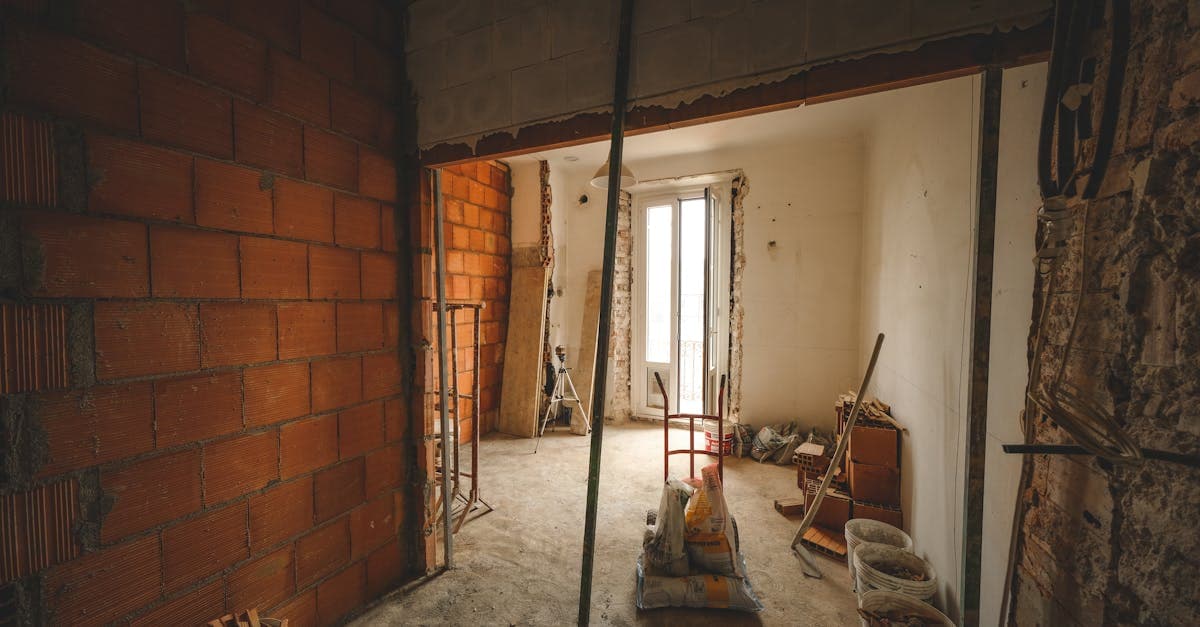
Does CDM 2015 Apply to Home Renovations?
Yes. If you're having building work done at your home, the Construction (Design and Management) Regulations 2015 apply in full. This surprises a lot of people, and it's easy to see why. Under the old CDM 2007 rules, domestic projects were mostly exempt. That changed when CDM 2015 came in on 6 April 2015.
Now every construction project is covered, whether it's a loft conversion, a kitchen extension, or a full renovation. The regulations don't distinguish between a commercial site and your back garden. The legal coverage is the same either way.
What does change, and this is the bit that matters most, is who carries the responsibilities. Domestic clients aren't expected to be health and safety experts, so CDM 2015 moves the legal duties onto the people who are.
Who Counts as a Domestic Client?
Under Regulation 2 of CDM 2015, a domestic client is someone who has construction work carried out on a project that is not connected to a business. In plain English: you're having work done on your home or a family member's home, and it's got nothing to do with any business you run.
A homeowner getting an extension built for the kids' playroom? Domestic client. Someone having their bathroom redone? Domestic client. A loft conversion because the family's outgrown the house? Domestic client.
But the line gets blurry. Build a home office for a limited company you run from home? Not a domestic client. Build a house specifically to sell or let? Not a domestic client. Add an extension for a childminding business? Also not a domestic client. The key test is always the same. Is the work connected to any trade, business, or commercial activity? If yes, you're a commercial client with the full set of duties under CDM 2015.
Landlords, property developers, and anyone doing up a property to sell are treated as commercial clients. They carry the full client duties: appointing a principal designer and principal contractor, providing pre-construction information, and making sure the project is properly managed from a health and safety point of view.
How CDM Duties Work on Domestic Projects
Here's where the domestic client arrangement actually makes sense. Regulation 7 of CDM 2015 says a domestic client does not have to carry out their client duties personally. Instead, those duties automatically pass to other people on the project.
The transfer works like this:
- On a project with a single contractor, that contractor takes on the client duties as well as their own contractor duties.
- On a project with more than one contractor, the principal contractor takes on the client duties on top of their principal contractor role.
- If the domestic client has hired a designer (an architect, for example) and puts it in writing, that designer can take on the client duties. The designer then becomes the principal designer.
On a domestic project with only one contractor, that contractor takes on the client duties but does not become a principal contractor. The principal contractor role only applies when there is more than one contractor. If there is more than one designer or contractor and nobody has been formally appointed as principal designer or principal contractor, the regulations fill the gap automatically. The designer in control of the pre-construction phase becomes the principal designer by default, and the contractor in control of the construction phase becomes the principal contractor. You do not get to opt out of these roles just because it is a small domestic job.
This is one of the most common blind spots for contractors on domestic work. If you are the sole builder on a home extension project, you are not just the contractor. You are also legally responsible for the client duties, whether you realised it or not.
What the Contractor Inherits
When client duties pass to a contractor or principal contractor on a domestic project, the list of responsibilities is real. Under Regulation 4 of CDM 2015, the key client duties include:
- Making sure suitable arrangements are in place for managing the project, including enough time and resources to do the work safely.
- Providing pre-construction information to every designer and contractor involved or being considered for involvement.
- Making sure a construction phase plan is drawn up before work starts on site.
- Ensuring a health and safety file is prepared and kept available for anyone who might need it later. (Only required with more than one contractor; good practice for single-contractor domestic work.)
- Taking reasonable steps to make sure the principal designer and principal contractor are doing their jobs properly.
For a one-man-band builder doing a kitchen extension, this does not mean a 50-page file. But it does mean having a written construction phase plan, providing relevant safety information to any subcontractors, and keeping notes on the key health and safety details for the finished work. The HSE says this should involve little more than what they normally do in managing health and safety risks. The test is what gets written down, not what lives in your head.
When Does a Domestic Project Need to Be Notified to the HSE?
The notification requirement has not gone anywhere. A domestic project must be notified to the HSE using form F10 if the construction work is expected to:
- Last longer than 30 working days and have more than 20 workers on site at any one time.
- Exceed 500 person-days of work.
Most home extensions and domestic refurbishments will not hit these thresholds, but larger projects like a major house renovation or a self-build might. If the project is notifiable, someone has to submit the F10. On a domestic project, that responsibility falls to the contractor or principal contractor who has inherited the client duties.
Do not assume it will not apply to you just because the work is domestic. A self-build project running for six months with multiple trades through the door will clear the 500 person-day threshold easily.
What the Domestic Client Should Still Do
Even though the legal duties get passed on, the HSE says a domestic client still has an important role to play. You do not need any construction knowledge, but you should ask a few straightforward questions before handing over your money.
Ask the contractor how they plan to manage health and safety on your project. Ask whether they have a construction phase plan. Check that they will produce a health and safety file for the work. If they look blank or tell you none of that is needed for a domestic job, find someone else.
The HSE also says domestic clients should make sure the contract allows enough time and money for the work to be done safely. If you are paying cash-in-hand prices and pushing for a two-week deadline on a job that needs four, you are not helping anyone work safely.
If you have hired an architect or designer, they are likely to be your best ally here. They can coordinate the health and safety side of things, and with a written agreement, they can formally take on the client duties as principal designer. This is the cleanest route for a domestic client who does not want the headache.
Common Misconceptions About CDM and Domestic Work
There is a lot of bad information floating around about CDM and domestic projects. Here are a few things worth clearing up.
One: CDM does not apply to domestic work. Wrong. This was true under CDM 2007, but it stopped being true on 6 April 2015. CDM 2015 applies to all construction projects regardless of who the client is.
Two: it is only a small job. The size of the work does not determine whether CDM applies. CDM applies to all construction work. A small bathroom refit is a construction project under the regulations. The difference is that on a small domestic job with a single contractor, the practical burden is much lighter. But the legal framework is still there.
Three: I do not have to notify the HSE for a domestic project. Partly true in practice, but not for the reason people think. Domestic projects do not get an exemption from notification. They just tend not to hit the thresholds. A domestic project that exceeds 30 working days with more than 20 workers, or 500 person-days, must be notified to the HSE just like any commercial job.
Four: as a builder, I only have to worry about CDM on commercial sites. If you are a contractor working on domestic projects, you now carry additional legal duties that would belong to the client on a commercial job. You need a construction phase plan. You need to provide pre-construction information. You may need to produce a health and safety file. If you are the only contractor on site, all of the client duties under Regulation 4 land on your plate.
Putting Together RAMS for a Domestic Project
RAMS, risk assessments and method statements, are not specifically required by CDM 2015 by name, but the construction phase plan that CDM does require serves the same purpose and should include the same information.
For a single-contractor domestic project, the construction phase plan should cover the specific risks the job involves. Working at height on a roof? Manual handling of heavy materials? Use of power tools near existing electrical installations? Each gets assessed, recorded, and given a safe working method.
The plan does not need to be a novel, but it does need to be specific to the job. A generic folder of template risk assessments that covers everything from asbestos to zoonotic diseases is not a construction phase plan. It is a paperwork tick-box that does not tell anyone how to do this particular job safely.
A decent construction phase plan for a domestic project might be two or three pages. It names the project, lists the main risks, explains how each one will be controlled, and sets out the emergency procedures and welfare arrangements. That is it. What makes it useful is that it is actually about the job in front of you.