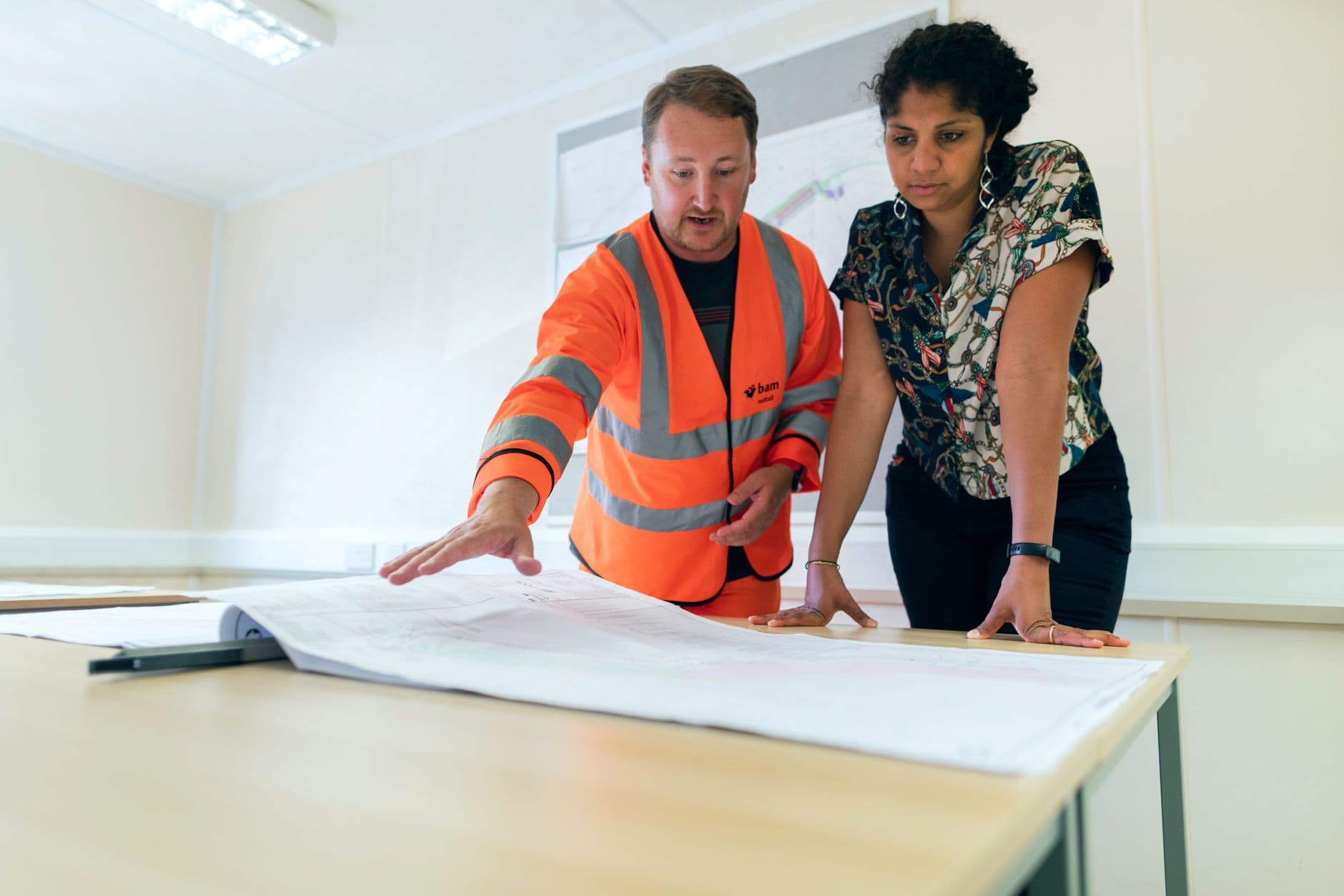
What Is a Toolbox Talk?
A toolbox talk is a short, informal briefing on a specific hazard or task, usually somewhere between 5 and 15 minutes. It's not a lecture and it's not paperwork for its own sake. It's a chance to stop, gather the team, and talk through one thing that matters right now on that site.
It's worth being clear on how this differs from other briefings you're already doing. A site induction is a one-off, broad introduction covering the whole site, its layout, welfare, emergency procedures and general rules. A RAMS briefing is task-specific and happens before a particular job starts, walking the team through the actual risk assessment and method statement for that work. A toolbox talk sits alongside both of these. It's the ongoing, week-to-week reminder that keeps key points fresh in people's minds after the induction is a distant memory and before the next big RAMS briefing.
Done well, toolbox talks reinforce good habits, catch problems before they become incidents, and give workers a regular chance to raise concerns. Done badly, they turn into a box-ticking exercise nobody listens to.
Are Toolbox Talks a Legal Requirement?
Here's the bit people often get wrong: toolbox talks aren't named anywhere in legislation. You won't find the phrase in CDM 2015. What you will find is Regulation 13, which requires the principal contractor to provide site induction, and Regulation 14, which requires consultation and engagement with the workforce on health and safety matters. HSE guidance, HSG263, "Involving your workforce in health and safety", sets out methods for engaging workers, and toolbox talks are one of the most widely used and practical ways to meet that consultation duty.
So the honest answer is this. There's no law that says "you must hold a toolbox talk." There is a legal duty to consult your workforce and keep them informed, and toolbox talks are the recognised, practical way most sites meet that duty. Regulation 15 also requires contractors to plan, manage and monitor their own work, and a regular toolbox talk is part of showing you're doing that in practice, not just on paper.
In the real world, principal contractors and clients often expect to see toolbox talk records as evidence of an active safety culture, even though no single regulation demands that exact format. If you're working under someone else's CDM arrangements, check what they expect before you assume a quick chat is enough.
Summary
At a glance
- Length
- 5 to 15 minutes, one topic at a time
- Frequency
- Weekly is common but risk-based, adjust when conditions or work change
- Delivered by
- A supervisor or competent person who knows the topic
- Records
- Attendance with names and signatures, the topic covered, and any actions raised
10 Toolbox Talk Topics Every Site Should Cover
1. Manual Handling
Manual handling injuries are one of the most common causes of lost time on construction sites, and they're almost always preventable. A quick talk on lifting technique, team lifts for awkward loads, and using mechanical aids where they're available can stop a bad back before it starts. Key point: if it feels too heavy or awkward, it probably is, so stop and get help or equipment.
2. Working at Height
Falls from height remain a leading cause of serious injury and death in construction. This talk should cover the specific access equipment being used that week, whether that's scaffolding, MEWPs, ladders or podium steps, and remind people to check equipment before use. Key point: no task is worth skipping the guardrail, harness check, or exclusion zone.
3. PPE
PPE talks go stale fast if they're generic. Tie this one to the actual tasks happening on site that week, whether that's respiratory protection for cutting, eye protection for grinding, or hand protection for handling sharp materials. Key point: PPE only works if it's the right item, properly fitted, and actually worn.
4. Slips, Trips and Falls
Not to be confused with falls from height, this is about the everyday hazards at ground level, trailing cables, uneven surfaces, materials left in walkways, wet floors. These incidents are unglamorous but they add up. Key point: good housekeeping is a shared responsibility, not just the job of whoever's on site tidy-up that day.
5. Power Tools and HAVS
Hand-arm vibration syndrome builds up over years of exposure to vibrating tools and is often overlooked because the damage isn't immediate. A talk here should cover trigger time limits, correct grip, and reporting tingling or numbness in the hands early. Key point: HAVS is preventable but not reversible once it sets in, so exposure limits matter.
6. Fire Safety and Hot Works
Any site doing hot works, welding, grinding, cutting near flammable materials, needs a clear talk on permits, fire watches, and extinguisher locations. Key point: a hot works permit isn't paperwork for the sake of it, it forces someone to actually check the area is safe before the sparks start.
7. COSHH and Hazardous Substances
From cement dust to solvents and adhesives, most sites have substances that need proper control. This talk should point people to the relevant COSHH assessment and safety data sheet for what they're actually using that week. Key point: read the label and the assessment, don't assume yesterday's product is the same as today's.
8. Vehicle and Plant Movement
Being struck by moving vehicles or plant is a recurring cause of serious injury on sites with mixed pedestrian and vehicle traffic. Cover segregation routes, reversing procedures, and eye contact with operators before crossing a working area. Key point: never assume a driver has seen you, wait for the signal.
9. Mental Health and Fatigue
Construction has a poor track record on mental health, and fatigue is a genuine safety hazard, not just a wellbeing issue. A short talk normalising conversations about stress, workload and tiredness can make a real difference to whether people speak up before a problem grows. Key point: a tired or distracted worker is more likely to make the mistake that causes an accident.
10. Reporting Near Misses and Incidents
A near miss is a free warning, it tells you something could go wrong before anyone gets hurt. Use this talk to remind people how to report one, and reassure them that reporting isn't about blame. Key point: a site where near misses get reported and acted on is a site that's actually learning, not just getting lucky.
Practical Checklist: Running a Good Toolbox Talk
Checklist
- Pick one topic, not five. Trying to cover everything means nothing sticks.
- Keep it under 15 minutes. Longer than that and people switch off.
- Make it site-specific. Reference the actual task, weather, or conditions that week.
- Ask questions, don't read a script. A talk that's just read aloud is easy to ignore.
- Record attendance with names and signatures.
- Note any actions raised and follow up. Don't let them disappear.
- File the record alongside the relevant RAMS so there's a clear trail.
Common Mistakes
Common mistakes
- Treating talks as a substitute for a proper risk assessment
- Reading a generic script that has nothing to do with the site or the week's work
- Not keeping records, so there's no evidence the consultation happened
- Letting talks run too long until people stop paying attention
- Covering a topic once and never coming back to it
Site-Specific Note
Toolbox talks support your RAMS, they don't replace them. A five-minute chat about working at height is useful, but it isn't a substitute for checking the actual method statement for the task in hand that day. Always go back to the current risk assessment and method statement before starting work, especially if conditions have changed since it was written. If you need a refresher on how to put one together properly, our risk assessment step-by-step guide walks through the process.
RAMS Builder Tip
If you're writing the same RAMS from scratch for every job, you're losing time you don't need to lose, and it's easy to miss a section under pressure. A structured tool takes care of the repetitive parts so you can focus on what's actually different about the job in front of you. RAMS Builder helps small contractors put together clear, trade-specific RAMS documents without starting from a blank page each time. Have a look at our pricing to see if it fits how you work.